Creative Writing is an English semester course at Norwin High School that is available to 9-12th grade students, and it is one of the few classes that can be taken multiple times for credit. It’s a class with a light workload to improve students’ writing or earn credit for graduation.
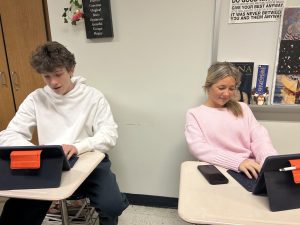
“Every year, there is such a great talent poll of writers who are humorous, witty, sarcastic, and yet very somber and serious. [Some] very flowery and artistic,” said Norwin creative writing teacher Jennifer Boyd. “Others are punchy and powerful, so I just love all the different dynamics that [these writers] bring in. That they get to share that with one another. The students learn a lot about each other and appreciate one another… that is probably my favorite thing.”
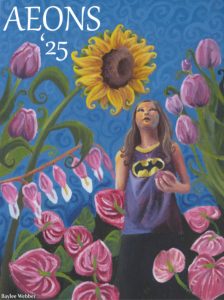
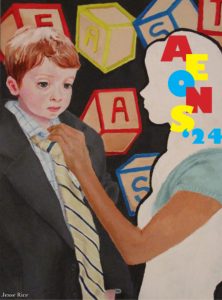
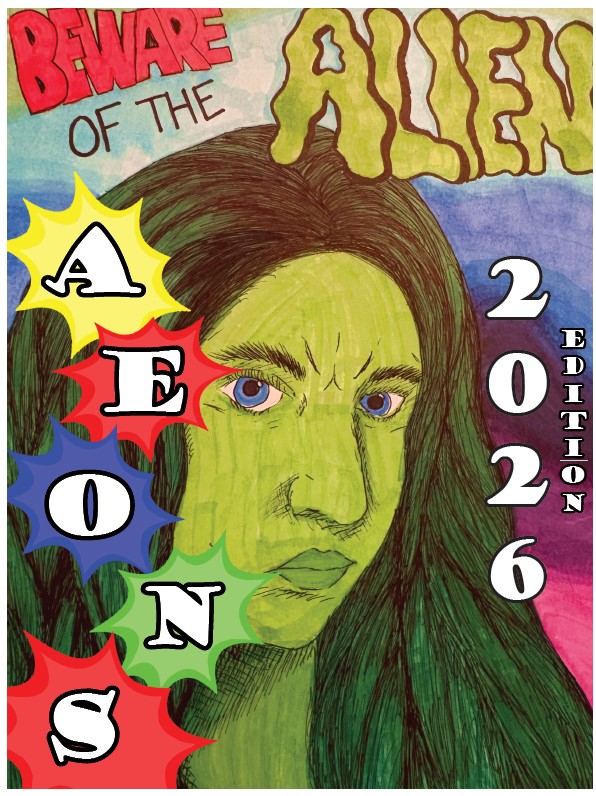
There are 5 different stories that students will work through within the semester course. Short stories, poems, creative nonfiction, plays, and a free-choice piece if time allows. The top two pieces from each classroom in each of these categories can be put into “AEONS”, Norwin High School’s creative writing magazine. AEONS is made with art contributions from students in the AP Art classes.
Students spend a large portion of the class reading each story aloud. At the end of each story, students will give each writer constructive feedback in the format of P(Praise) Q(Question) S(Suggestion). This format, inspired by college courses, serves to provide clear and immediate constructive feedback to build writers’ skills. The first unit students work on is the short story, which can be very similar to creative nonfiction, the one difference being that short stories are fictional. There is a word limit between 700 and 1500 words.
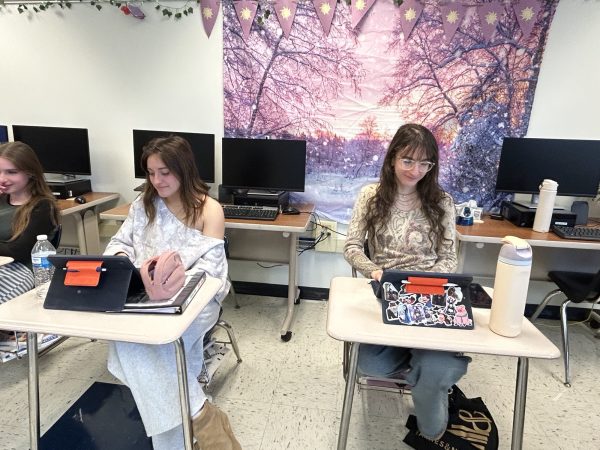
”I wish I could write longer stories. I struggle trying to add less detail. I just wish we had more time,” said Bri, who has taken this class for 3 years.
During the work days, students have time to create drafts and work with others to fix mistakes and punctuation before reading aloud. You also don’t have to read it aloud if you do not wish to; this class is a no-judgment zone, and Mrs. Boyd can read stories aloud for more nervous students.
“I find I get better after every story I write,” said senior Jake Quaka, who has taken this class for 3 years.
The next story students produce is a poem, which is truly a creative piece. There are no rhyme, rhythm, or stanza restrictions for the poem.
The third story is a creative nonfiction piece, where students work on a true story about their life or something they’re passionate about. Many people have talked about past experiences, traumatic events, and happy memories, and make up their view of the events. The creative nonfiction still has to be creative in some element.
The fourth story is the short play, which is one of the hardest units to do and also takes the longest to complete. Playwriting is the last new thing that students will learn during this class. There is a certain format that must be followed; the play has to include a playwright (an introduction to the characters) and stage directions. Others will also be reading for each character and their dialogue, which can be super fun for students.
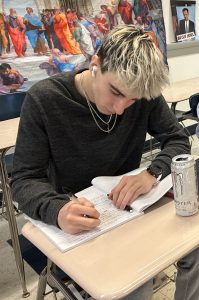
In certain creative writing classes, students finish the four main stories during the school year and have an opportunity to create a “free choice” piece to be read aloud for fun. However, some classes require extra time to finish reading and presenting all stories, and are unable to do free choice pieces.
The final portfolio is the biggest project and the culmination of students’ time as writers. The portfolio is a showcase for all the pieces written that year by an individual. Students copy and paste each story and write reflections, creating an organized portfolio.
AEONS showcases a collection of the top 2 stories for each category in each creative writing classroom throughout the year. All the voted pieces from each unit get put into this book. AEONS and AP Art work together to feature artists in the art field and the writing field.
“I wish there was a year-long version of this class,” said freshman Alyssa Lepley. “I also wish that in the AEONS there were stories made to define the AP art in word form, like a collaborative project between the two classes.“