
Over the past several months, lawmakers all over the country have increasingly advocated for higher cell phone restrictions in high schools. Currently, 26 states have implemented or are implementing “bell-to-bell” cell phone restrictions. Pennsylvania is trying to become one of those 26.
In February, Senate Bill 1014 passed the State Senate with a 64-1 majority. This bill outlines one simple thing: students shall not use cell phones from the start of the school day until the end. Now, this bill is facing discussion in the State House of Representatives this month. If the bill passes, districts are required to have comprehensive plans prior to the 2027-2028 school year.
The bill has received strong bipartisan support and passed the Senate with an overwhelming majority, therefore making it a popular bill in the House. Earlier this week, the bill passed the House Education Committee and now faces the full House.
The proposed law states that a school district “shall adopt a policy relating to mobile devices and shall: (i) prohibit the use of a mobile device during the school day while on school property; and (ii) establish the manner in which a student’s possession of a mobile device is to be restricted during the school day while on school property.”
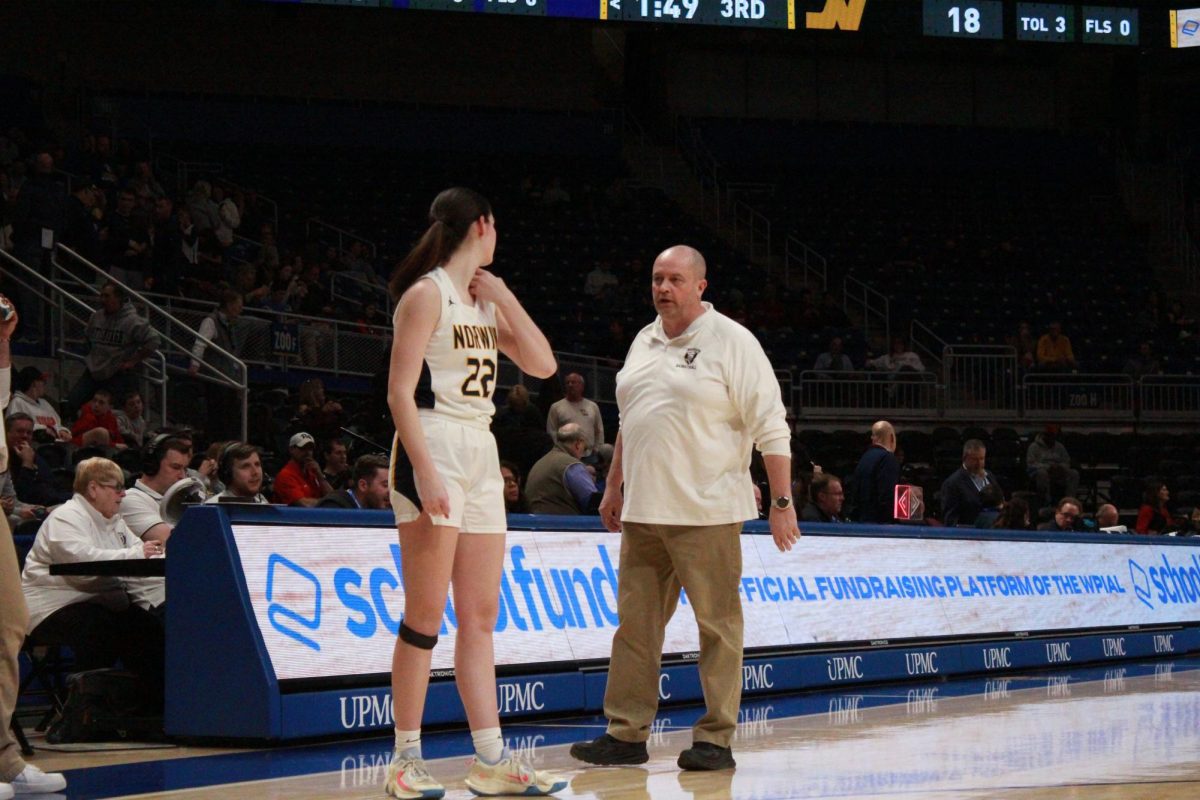
In simpler terms, although the cell phones must be restricted, it is up to the district to decide how. In many Norwin classrooms, individual teachers use cell phone caddies to hold students’ phones during class time. However, this format would not be in compliance with the proposed law, because it requires that students not have their phones from bell to bell— even in the hallways.
“‘School Day’ shall mean the entirety of every instructional day… including homeroom periods, lunch, recess, and the time moving between classes,” states the bill.
Several teachers have different methods of cell phone control at Norwin.
“No cell phones out [in my class]. If I see it, it goes in the phone jail, where it stays for the rest of the day. It removes distractions for students,” said math teacher Beth Currey.
Physics teacher Luke Cicconi said, “If students put the phone in the caddy during class time, they get rewarded with some bonus at the end of the year. I think it gives some incentive for students not to use the phone, and that’s needed these days.”
Obviously, there are many methods of phone control at Norwin High School. But if S.B 1014 passes the House, those days will be gone, and phone restrictions will be universalized across the building.
If passed, these restrictions must be enacted no later than the 2027-2028 school year.
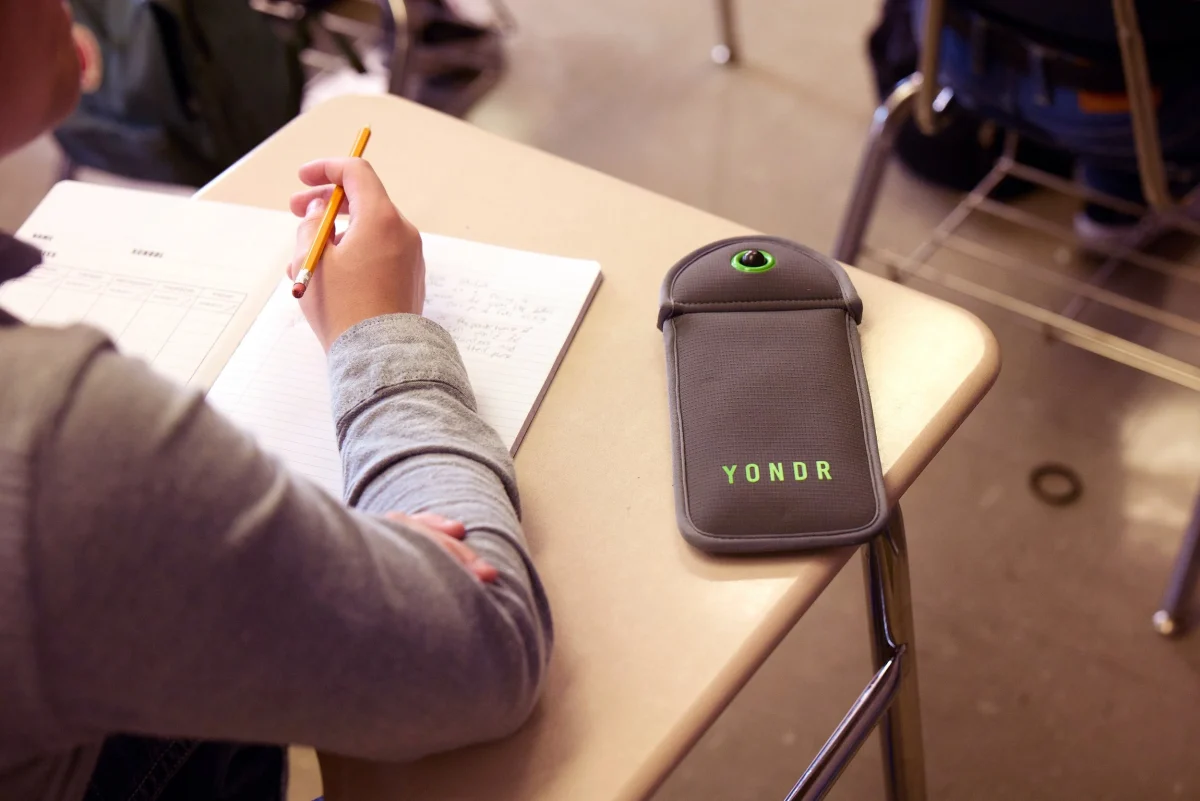
There is no outline for HOW phones will be restricted in the bill. In other schools where full-day cell phone bans have already taken effect, districts utilize Yondr pouches, a small pouch that magnetically locks your phone for a set time.

In order to gain a more inside perspective on the potential cell phone policy, The Knight Krier reached out to Pennsylvania House of Representatives Congressman Brian Rasel. Rasel represents the 56th congressional district in the Pennsylvania House, which is currently debating this bill. The 56th district represents parts of Westmoreland County, which includes the Norwin area.
“The benefit [of a cell phone policy] is attention in the classroom. As we have more OpenAI and ChatGPT, we see more students using that to do their work rather than their own minds,” said Rasel.
However, in Rasel’s opinion, the current bill should not be implemented as written.
“We voted on an amended version of the bill, and I voted no to it. It was too overreaching. The way I view it, the schools should have the ability to make a policy regarding cell phones. The way the bill is amended, it gives the state the authority to do a blanket cell phone ban across the state,” said Rasel.
The amended bill, which was quoted earlier, makes it clear that students should not have their cell phones whatsoever during the school day.
Both Norwin High School principal Dr. Michael Choby and Norwin superintendent Dr. Natalie McCracken declined to comment on the matter until legislation passes.
Ultimately, with widespread bipartisan support for this bill, it is likely that it will be introduced in some capacity for the 2027-2028 school year, and students should be prepared.