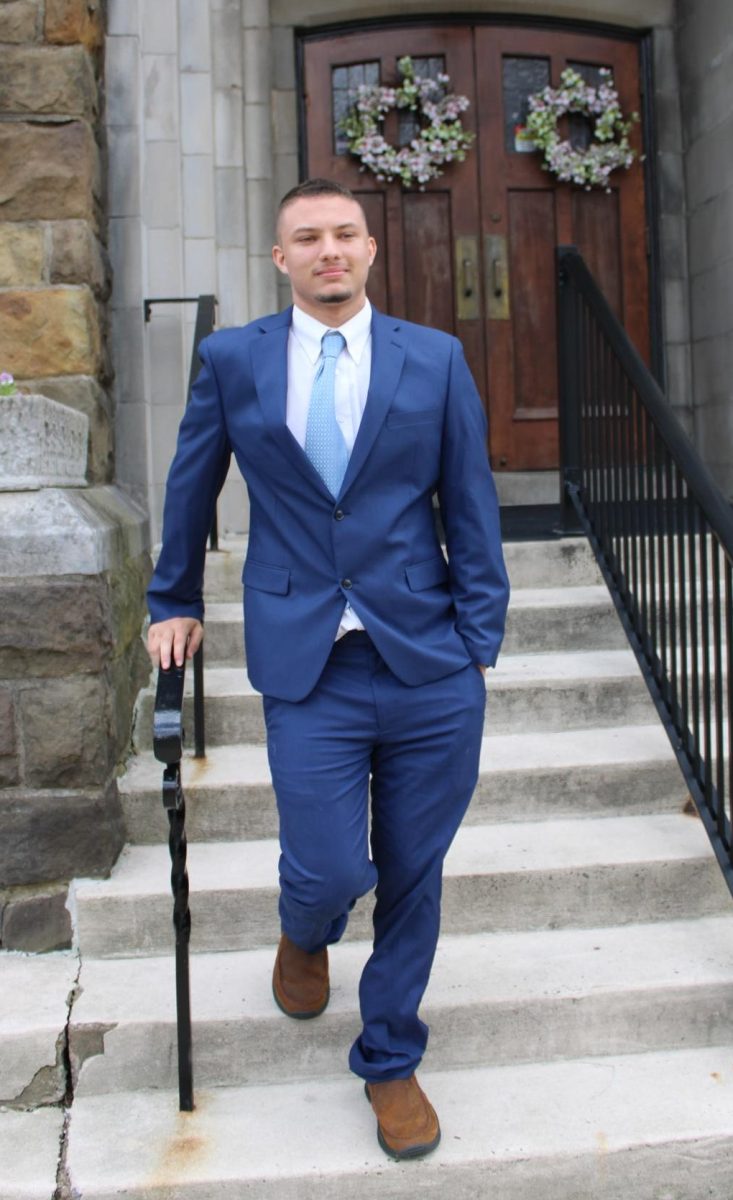

The Norwin class of 2022 had many bright individuals with great aspirations going forth onto the next stage of their lives. One such individual is Norwin alumnus and current Pitt film/marketing student Max Christopher. Christopher was involved with the Knight Krier during his time at the high school.
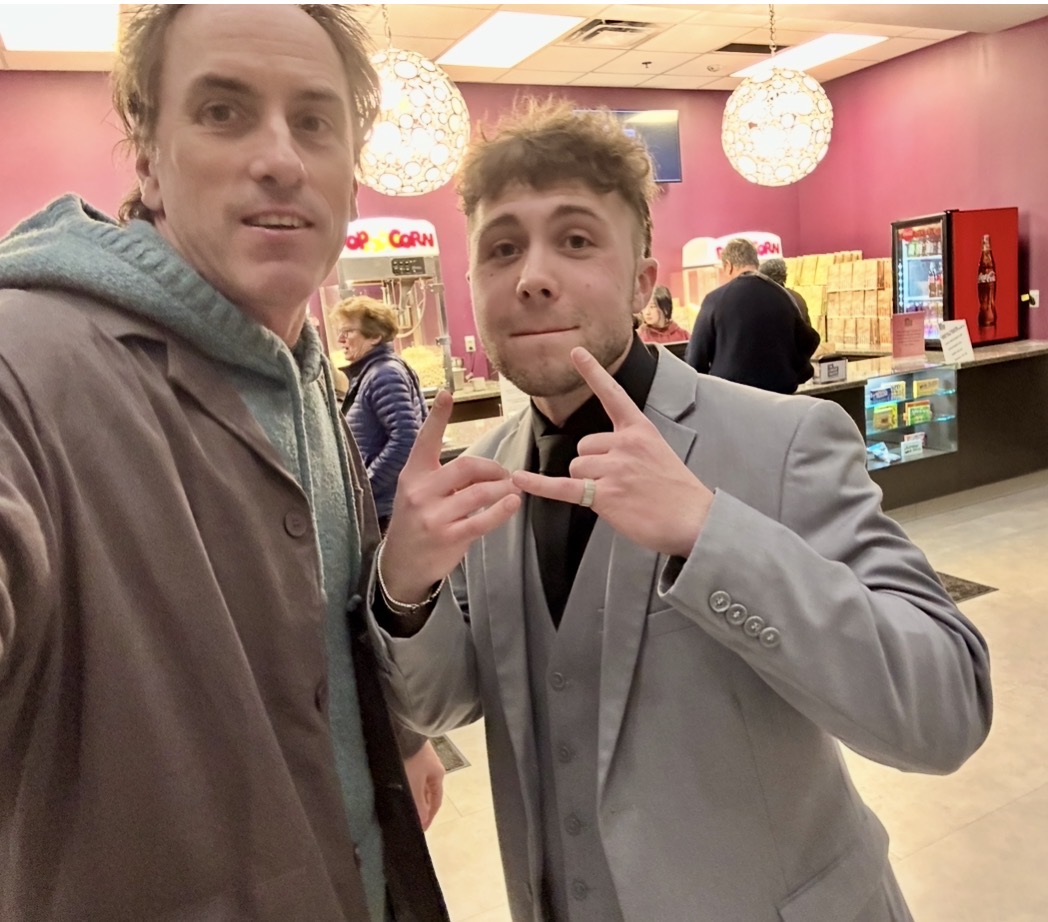
Now Christopher has developed quite the film-making resume with the making of his very own short film “Palmarius”, and now the making of his first feature-length film Wire. Being a filmmaker is no easy task. The career takes countless hours of honing their craft, and an unmatched passion for making art fit for the big screen. So, to get an inside view on a Norwin alumnus who has taken this path, the Knight Krier has asked Max Christopher a few questions:
What inspired you to get into filmmaking?
I’ve always been interested in filmmaking. Since I was a little kid, I would film short iMovie skits with my brother and neighborhood friends. If I had to pick a specific point when I knew I wanted to make movies seriously, I think it goes back to seeing Christopher Nolan’s Dunkirk in theaters with my dad and brother. That was the first movie I had seen on a big screen where the presence and power of what film can do really struck me. All through middle school, and especially starting in high school, we started scripting our projects and taking inspiration from these movies we loved.
What was your inspiration for making Wire.
Wire was initially born from a desire to portray the city of Pittsburgh on the big screen. Having grown up in the area my whole life, and then going to Pitt for school, it became apparent how little Pittsburgh is represented in film. When productions typically come through town, Pittsburgh is a stand-in for another city (Gotham in The Dark Knight Rises, Kingstown, Michigan in Mayor of Kingstown, etc.). I wanted to make something that was blatantly and unabashedly set in Pittsburgh.
What were some of the greatest struggles faced in production?
How have you adapted to overcome the different problems that smaller productions face?
The challenges we faced during the production of Wire could take up an entire article on their own. Indie filmmaking, especially when you have almost no budget, is extremely difficult (and I learned how much of a miracle it is that anything ever gets made). Finding ways to make money was the first of our issues. When production started, the sporadic nature of run-and-gun shooting, weather complications, and balancing schedules almost immediately became a nightmare. Once we wrapped, post-production was dragged out for over a year, due to our mostly student cast and crew having to balance schedules and this monstrous workload. The unfortunate part of indie filmmaking on this level is a lack of funding. Major productions have the benefit of a “money hose” to solve or get rid of any problems. With a microbudget feature, you’re not afforded the same luxury
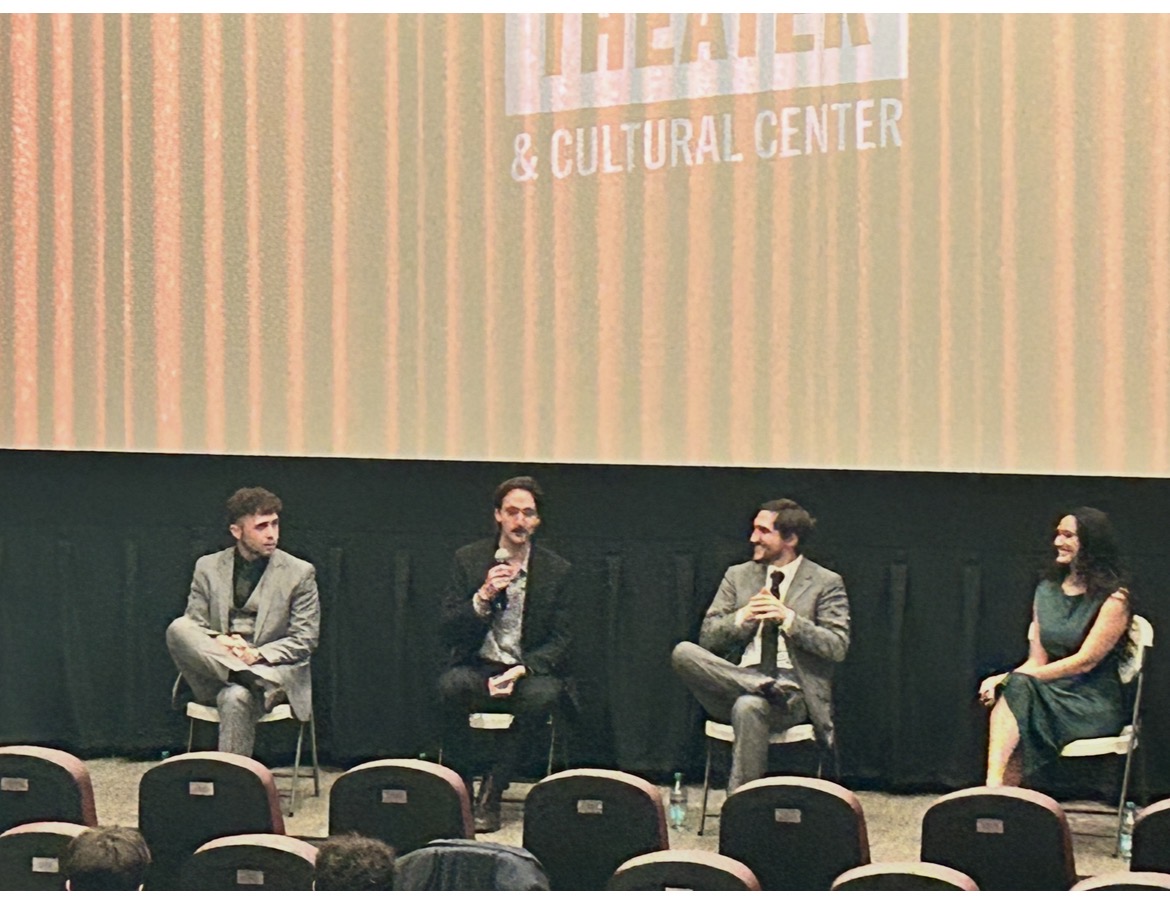
What are your favorite parts of the production process?
My favorite part of the production process is, without a doubt, collaboration. I would be lying if I didn’t say that every major problem we’ve run into, whether on Wire or on another film, wasn’t solved by having an amazing and talented group surrounding and supporting us. The collaboration process is one of the best gifts I’ve been given from the experience of working on an indie feature. If not for the presence and contributions of people like Adam Snook, Zain Adamo, Delaney Gatenby, Ryan Dean, and many, many others, Wire very well could have been dead on arrival, but more heads are better than one. The ability for this group to problem-solve and overcome adversity has not only served as a learning experience, but one that has elevated my own capabilities and skillset.
With another film under your belt what’s next for you?
Looking ahead, right now, I’m deep into co-writing another feature, Devout, with another Pittsburgher, Jack Nola. There are also a lot of short films I’m involved with, mostly in a producing role. There are some other projects I’ve got cooking on the back burner as well, but those will have to stay under wraps for now.
Do you have any advice for aspiring filmmakers?
I think that if I had any advice for aspiring filmmakers, it would be:
(1) If you make films, of any kind, whether that be short films or skits with your friends, music videos, etc., you are not an “aspiring filmmaker,” you already are a filmmaker.
(2) Make as much as you can as often as you can. This is advice I wish I took more often. You only have so much time to have fun and play around in the filmmaking sandbox. Take advantage of every opportunity to create as much as you can. If you go to a college that has any sort of film library system or a film club with equipment, rent a camera and a tripod out and go shoot something.
(3) There is never a perfect time. You want to take time to really hone your skills, but I’ve learned so much more from doing rather than sitting around and thinking. Your script, your plan, and your team will never be perfect, so go out and create.